Education
- Ph.D. 2026 – University of North Carolina at Chapel Hill, School of Education
- M.Ed. 2021 – Vanderbilt University, Peabody School of Education
- B.A. 2018 – University of Miami, College of Arts & Science
Areas of Expertise
- Science Identity Development
- Critical Theories Within Education
- Socio-Scientific Issues-Based Curriculum
- Curriculum Development Within Stem
- Women of Color in Stem
- Student-Centered Learning
Background
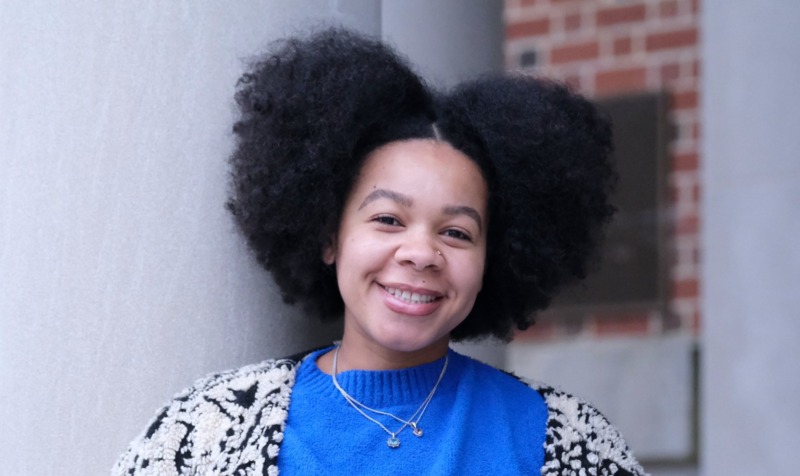
Jasmyne Yeldell specializes in equitable, student-centered approaches to science education, particularly within populations of students who have been marginalized. Her experience as an undergraduate Biology major is what led her to ask questions of how to provide K-12 learners with rigorous and culturally relevant science experiences that fully prepare them for engagement with science in Higher Education and beyond. It is her lived experience that influences both her research interests and engagements with the larger field of Science Education.
Research
Yeldell’s research explores the experiences of marginalized individuals and communities, specifically Black Girls and Women, and how they make meaning of and persist within science across their educational journeys, with particular attention to the relational and sociocultural forces that shape science identity development. At the core, she is intentional about her research being grounded in the belief that research with historically marginalized communities must be conducted with and for them, and never on or to them. As such, her research is grounded in collaborative traditions such as participatory design, which positions participants as experts in their own lived experiences and as true partners in the research process. Overall, she is committed to building research-practice partnerships that honor community context, center cultural wealth, and pursue possibilities in creating more equitable and culturally relevant tools for science education. Her dissertation research explored co-design with fifth-grade girls through the context of an afterschool STEM Club that she had created. This work revealed both the transformative potential of student agency in science learning and the systemic, environmental, and identity-based tensions that shape how young learners come to understand themselves as “science people.” Through this and related projects, she aims to contribute empirical and theoretical knowledge that reframes deficit narratives surrounding learners from marginalized communities and illuminates pathways toward humanizing, identity-affirming Science education.