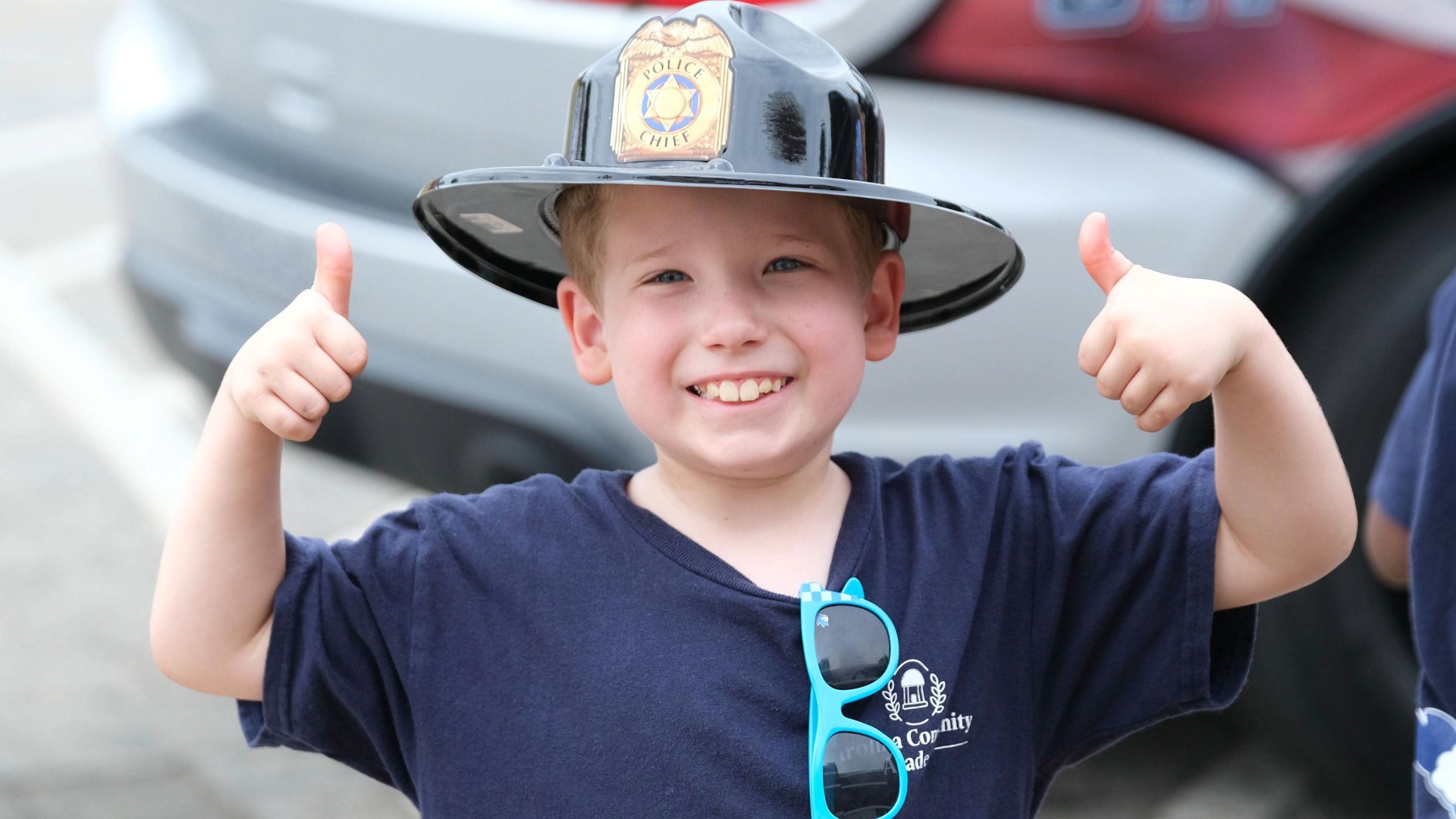
Since its launch in 2022, Carolina Community Academy, an innovative K-2 lab school in Roxboro, North Carolina, has brought together UNC-Chapel Hill, Person County Schools, a range of Carolina schools and units, and community partners to support students and families through evidence-based practices and robust wraparound services.
During that time, CCA students have often ended the school year demonstrating strong levels of proficiency in reading and mathematics. But beginning-of-year assessments have suggested that some of that progress is not always retained after summer break.
CCA leadership looked for new ways to support students beyond the academic year, with two important resources helping inform that work: invaluable feedback from engaged families and sharp, committed UNC School of Education students completing internships for their undergraduate programs.
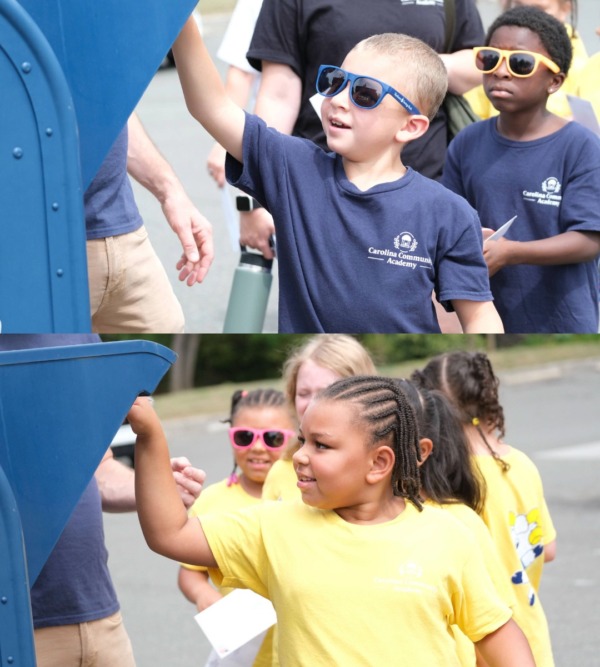
Combining family insights with interns’ strategic thinking, creativity, and planning, CCA offered its first summer camp, a free, three-week program designed to support students most at risk of summer learning loss while offering the enrichment and fun of traditional summer experiences.
Each week, 30 students, with approximately 10 students from each grade level, participated in activities that bolstered learning through museum trips, STEM and storytelling activities, and visits to organizations in Roxboro.
“We wanted this inaugural summer camp to be a blend of academic support and summer camp enrichment,” said Amy Richardson, Ed.D., director of Carolina Community Academy and PK-12 Partnerships. “These experiences enhanced student learning by building prior knowledge for future years, connecting students with local resources and trusted individuals, and weaving a theme through each week that supported the academic components they were learning.”
At the core of moving the CCA summer camp from idea to action were two recent School of Education graduates whose undergraduate experiences provided opportunities to listen, plan, and lead.
Anna Page Lancaster, a May 2026 graduate of the School’s Human Development and Family Science program, established many of the camp’s foundational pieces during her senior internship. Roxanne Dudley, a May 2026 graduate of the School’s Human and Organizational Leadership Development program, used her capstone internship to provide families with a platform to share feedback, helping CCA better understand parent perspectives and use their input to inform its work, including interest in summer opportunities.
For Dudley, the experience demonstrated how gathering feedback can translate community needs into organizational decisions.
“My capstone project created a feedback loop for improving practice at CCA,” Dudley said. “Surveys created a channel for communication from parents, helping to guide CCA’s strategy, making their choices data-driven.”
For Richardson, that connection between listening and action reflects how CCA strives to work alongside its families.
“What emerged is what continues to be the story of CCA: communication and collaboration between the school and families,” Richardson said. “It’s not shocking that the school staff saw the need from their lens and that our families felt comfortable raising their desire for summer activities. What’s lovely about this exact scenario is that it quickly closed a small feedback loop and was built on communication from the school and community.”
Lancaster approached the CCA summer camp from another perspective: years of firsthand camp experience.
She first attended YMCA Camp Seafarer in Arapahoe, North Carolina, as a child learning to sail and has since spent six summers on staff. When Richardson described CCA’s vision for a summer program during Lancaster’s internship, the connection was immediate.
“When I heard about it, I was like, ‘This is perfect,’” Lancaster said. “I had a summer camp background, so it was something I was very passionate about, and it was easy to translate those passions. Even though my experience was with a recreational summer camp and this was more educational, it felt like a perfect fit.”
Lancaster worked alongside Richardson and CCA staff to research community organizations, develop weekly themes, organize prospective partners, and begin coordinating field trips and enrichment opportunities. During her internship, she connected with organizations including the Person County Public Library, North Carolina Museum of History, and Person County Recreation, Arts & Parks.
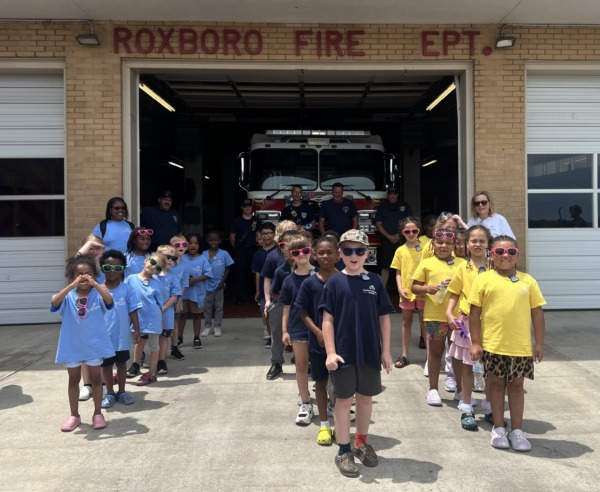
After Lancaster’s internship concluded, CCA staff continued developing community partnerships for the camp, including outreach to the Person County Police Department and Person County Fire Department. The eventual camp included experiences connected to STEM, health and wellness, history, and storytelling.
“People really wanted to help when I told them about the camp,” Lancaster said. “Even if they couldn’t offer programming or a field trip, they would tell me someone who could.”
Internships that expand what CCA can do
For Lancaster and Dudley, their projects offered opportunities to apply undergraduate learning to real organizational challenges and community needs.
Lancaster said her HDFS coursework helped her better understand young people and the different environments that shape their development.
“It was just a really cool way to be able to see the community at work,” Lancaster said. “I built a lot of confidence going into experiences like that and being able to advocate for the students and their needs.”
Dudley entered her internship after coursework in the HOLD program, studying how leadership, organizations, and systems converge. She said the program gave her “tools, vocabulary, and frameworks” for understanding organizations while developing the professionalism and communication skills she relied on throughout her capstone.
In addition to summer camp planning, Dudley conducted surveys of families whose students transitioned from second grade back into Person County Schools for third grade, gathering feedback about that experience. What began as a CCA-specific project drew interest from Person County Schools and ultimately expanded across the district.
That research provided insights into what families valued, where additional information could help, and how CCA and Person County Schools could continue strengthening the transition experience. Dudley also helped develop resources responsive to families’ questions and needs.
The internship gave Dudley a different view of how schools operate.
“My capstone project with CCA was a unique opportunity to be on the administration side of schools,” Dudley said.
She also said working with Richardson and Ashley Murphy, the School’s partnerships program manager, expanded her understanding of areas including standardized testing, school financial reporting, and education policy while giving her space to ask questions about the field.
Richardson sees that kind of responsibility as central to what internships at CCA can offer School of Education students.
“Either the internship is a learning experience where teachers or leaders-in-training can witness and experience what our staff does on a regular basis, or our internships push the boundaries of what we know and can do with a small school staff,” Richardson said. “Anna Page and Roxanne helped us push the boundaries this year.”
Both graduates are carrying those experiences forward.
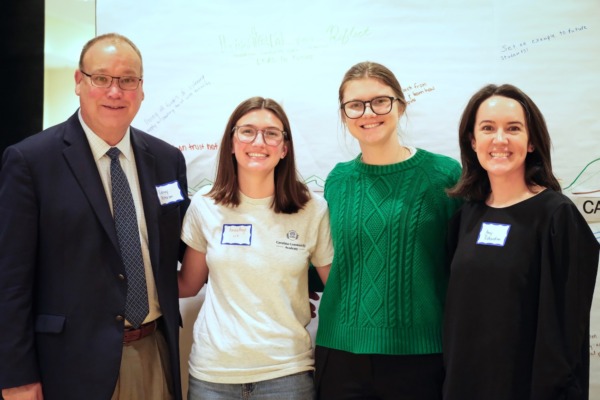
Lancaster returned to Camp Seafarer this summer as a head counselor and is exploring careers that combine her interests in children, youth, community relations, and student programming.
Dudley spent her summer leading three two-week camping trips for middle school students across British Columbia, Canada. This fall, she returned to Carolina to pursue a Master of Arts in Teaching at the School.
“I feel so lucky to have made industry connections through my capstone experience with CCA under Dr. Amy Richardson and Ashley Murphy’s leadership,” Dudley said. “Both provided me with positive mentorship and encouragement.”
CCA leadership and staff are already looking toward summer 2027, when they plan to continue gathering feedback from families and Person County Schools partners while examining data on the camp’s impact on summer learning.
“This summer camp checks all the boxes for a North Carolina lab school and then some,” Richardson said.