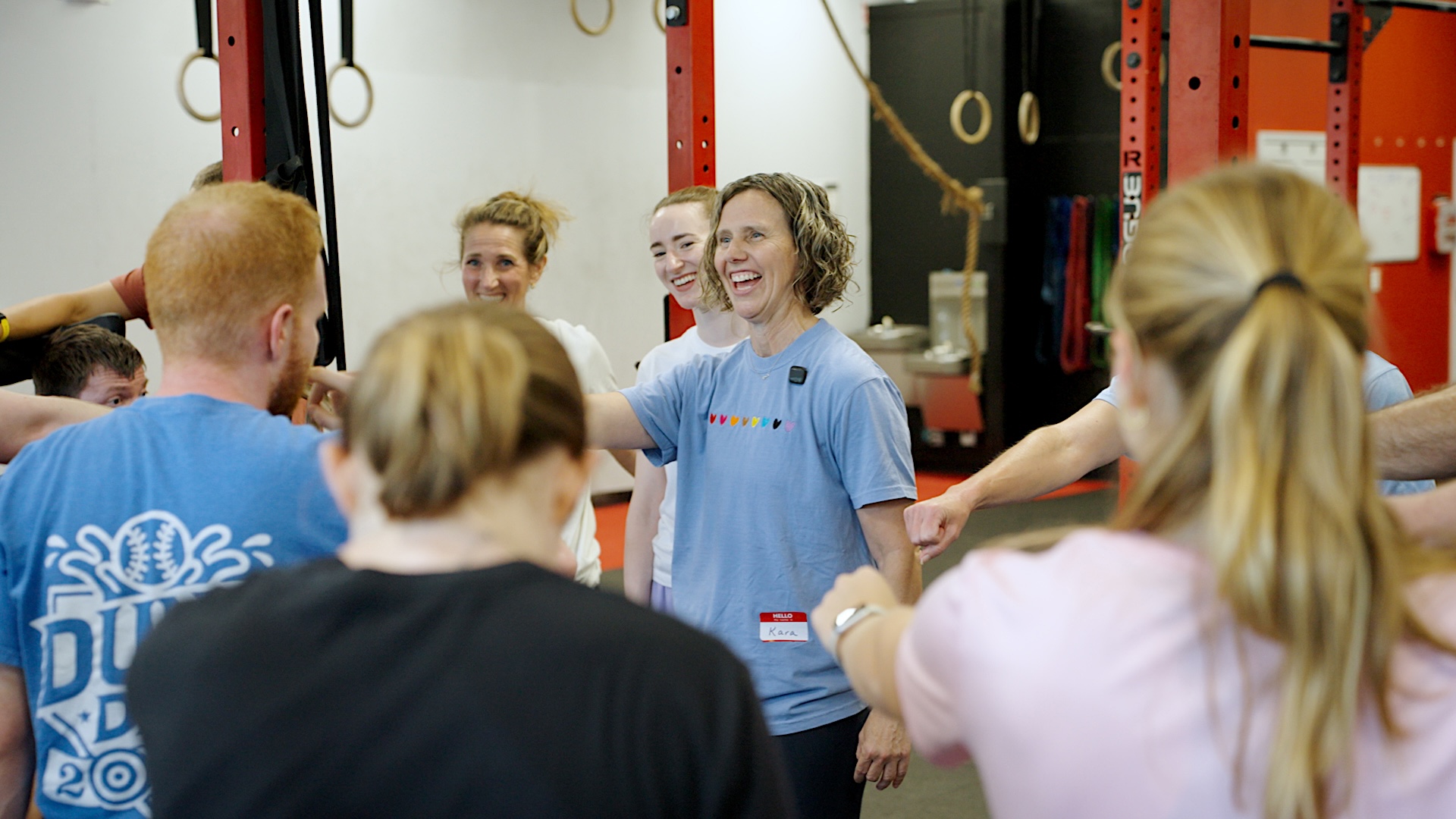
This summer, the UNC School of Education partnered with the School of Nursing and Midwifery at Queen’s University Belfast to support individuals who have developmental, physical and intellectual disabilities and make exercise and gym spaces accessible and inclusive.
The partnership is made possible through the UNC-Queen’s International Partnerships Development Fund, a grant that helps researchers establish connections between the two universities. Kara Hume, professor in the UNC School of Education, worked with Karen McConnell, lecturer in the school of nursing and midwifery at Queen’s, and Alexandra McDonnell, a researcher at Queen’s. They work in the inclusive fitness and dance space.
“I’m excited to see if we can help make gyms more welcoming to all,” Hume said. She noted those with disabilities generally have higher rates of conditions like heart disease, obesity and high blood pressure, as well as higher rates of earlier cognitive decline.
“Some of that is because exercise spaces aren’t available, so anything we can do from big ways to small ways to make gyms more knowledgeable about these populations and supporting them is great,” she said.
The universities came together for co-design workshops to create resources for gym owners, managers and staff to make their spaces more inclusive for those with disabilities. Workshops included people who have lived experience with disabilities, along with gym and exercise professionals and physical therapists.
Exercises for these populations focus on increasing heart rate and building strength, balance and flexibility while forming a community.
“The longer-term goal of the co-design workshops is to help create community gyms environments where people with disabilities feel welcomed, included and a genuine sense of belonging,” said McConnell. “To do that we need to help gyms and exercise professionals feel more confident and equipped to include people with disabilities.”
In late July, they put their work across oceans into action. McDonnell traveled to North Carolina for an inclusive fitness class called “Power Hour” she led with Hume. Held at CrossFit Chapel Hill, who provides the space free of charge, the class offers a space for people with disabilities to exercise for an hour and connect with others with or without disabilities.
“Having spent five days here in Chapel Hill, I’m just so impressed with all the opportunities that are available for people and how inclusive the community is,” said McDonnell. “It’s so lovely to see and learn from them and take things back home with me to compare opportunities.”
Next, the team is creating an inclusive fitness website designed for gym professionals who need more guidance on serving individuals with disabilities.
“I’ve loved getting to know our Irish partners. Through our co-design workshops, I like hearing from individuals with disabilities about their lived experiences in Ireland. It helps broaden my scope when thinking about support services,” said Hume. “I also love hearing about what is similar and different in Ireland and the U.S. about how we approach fitness. I’ve been trying to think about how do we make resources meaningful to both countries and populations. We’ve been looking at disability policy and inclusion across two different countries.”