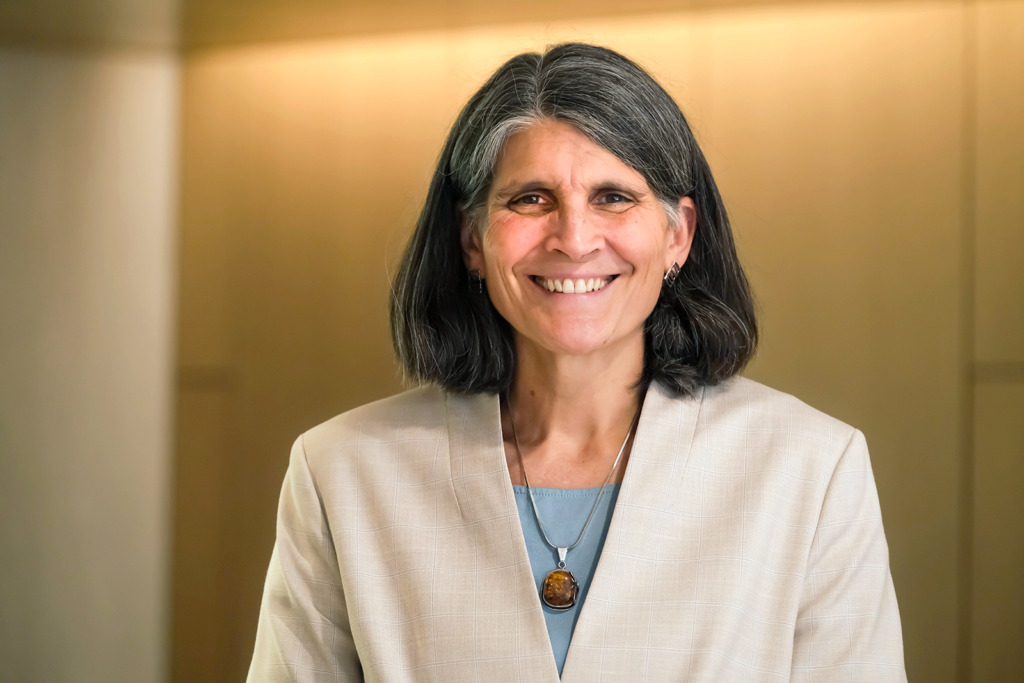
The most powerful research doesn't stay in a book or a journal on a shelf. It shapes the communities that inspire it, the scholars who advance it, and the generations that follow.Dean Jill Hamm
Where ideas become evidence and research becomes impact.
Some of the most important work shaping how people learn, grow, teach, and lead happens within faculty research labs at the UNC School of Education.
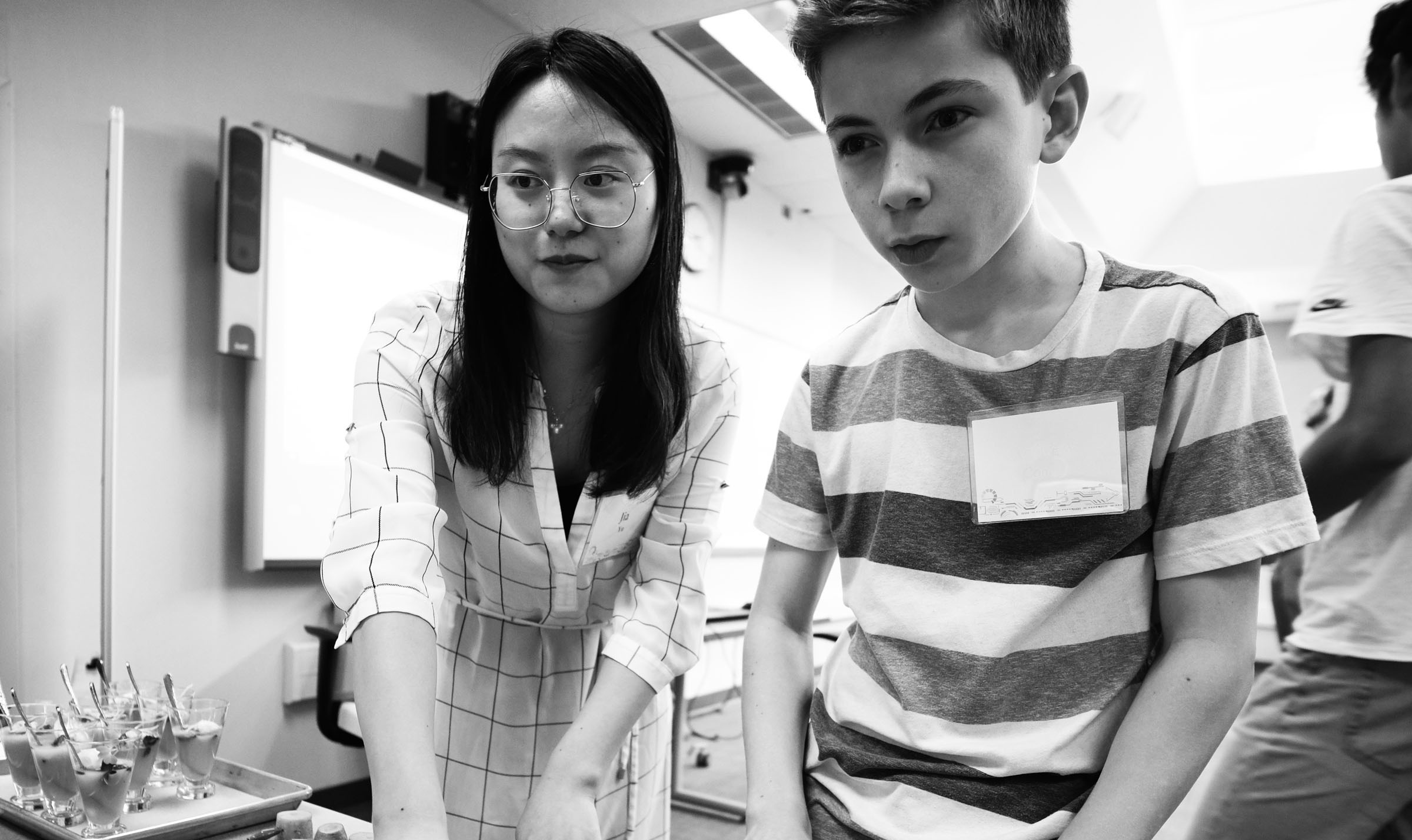
Our labs bring together faculty researchers, post-doctoral researchers, students, practitioners, and community partners to investigate complex questions facing individuals, schools, and communities today. They are spaces for inquiry and collaboration, where research studies are designed, data are collected and analyzed, and new knowledge is developed. They are also environments for mentorship and training, providing students with opportunities to contribute to meaningful research while learning the tools and methods that advance scholarship and lead to education's best evidence-based practices.
Just as important, our labs help move research beyond the stone walls of Carolina. Faculty members use their findings to inform educational practice, shape policy discussions, support schools and organizations, and contribute to broader conversations about teaching, learning, development, and well-being. Collectively, the School's research labs showcase the depth and diversity of faculty expertise across areas that include learning sciences, human development, literacy, mental health, educational technology, educator preparation, improvement science, and more, while reflecting a shared commitment to generating knowledge that expands opportunity and improves lives through education.
Fast Facts
$87.55 Million
30
10
3
Carolina Research in Early Applied Development & Early Reading Skills (READERS) Lab
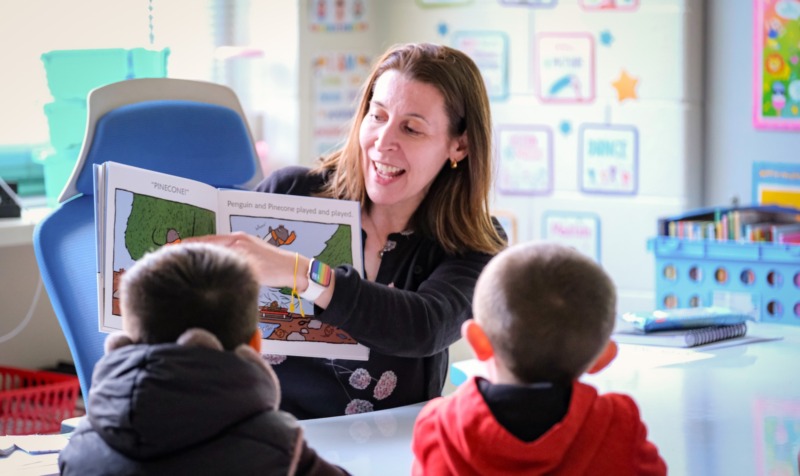
Led by Annemarie Hindman, Ph.D., the Carolina READERS (Research in Early Applied Development & Early Reading Skills) Lab examines how young children develop the language, literacy, social, and cognitive skills that support reading success. The lab explores how families, educators, and communities can foster early literacy development, with research spanning toddlerhood through elementary school. Particular attention is given to learners in historically underserved communities and children with or at risk for learning differences and disabilities.
The Critique, Learn, Investigate, and Construct Knowledge (CLICK) Research Group
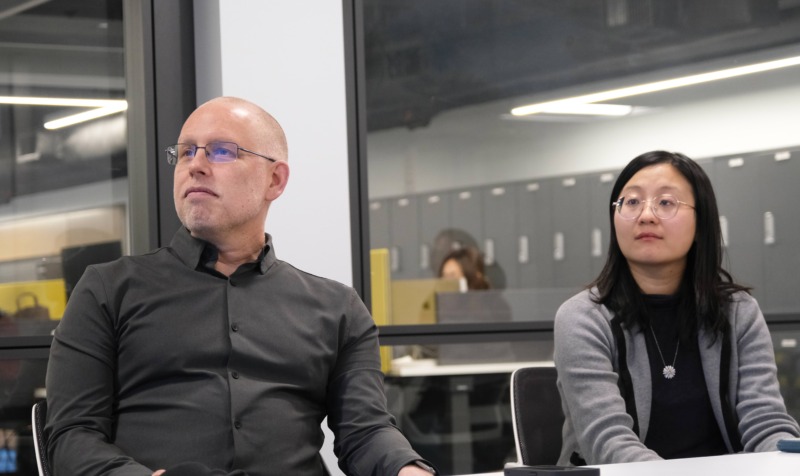
Led by Jeff Greene, Ph.D., and Matt Bernacki, Ph.D., the CLICK (Critique, Learn, Investigate, and Construct Knowledge) Research Group explores how people develop, evaluate, and apply knowledge in an increasingly complex digital world. The group's research examines self-regulated learning, epistemic cognition, learning analytics, and digital literacy, with the goal of helping learners more effectively navigate information, think critically, and learn across diverse contexts.
Early Learning Lab
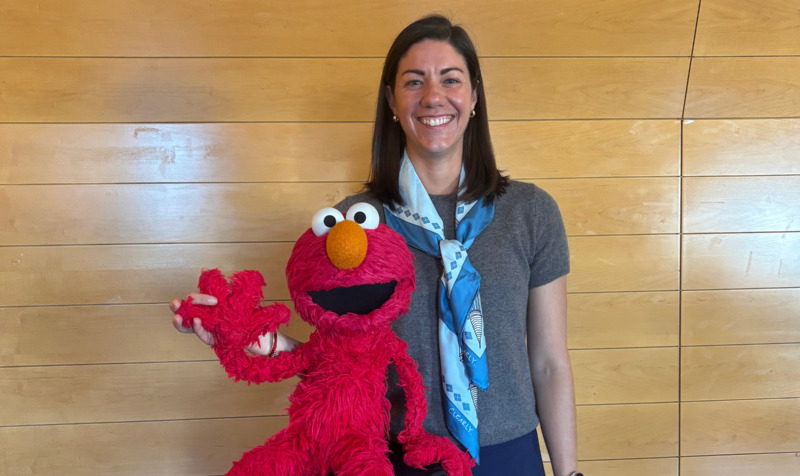
Led by Kathryn Leech, Ph.D., the Early Learning Lab examines how early experiences shape children's language, literacy, and learning. The lab's research explores the role of parent-child interactions in language development and scientific thinking, while developing interventions that support early literacy and STEM engagement. Through studies of family conversations, shared book reading, and children's brain and language development, the lab seeks to identify strategies that help young learners thrive and expand access to learning opportunities from an early age.
Knowledge and Literacy Lab
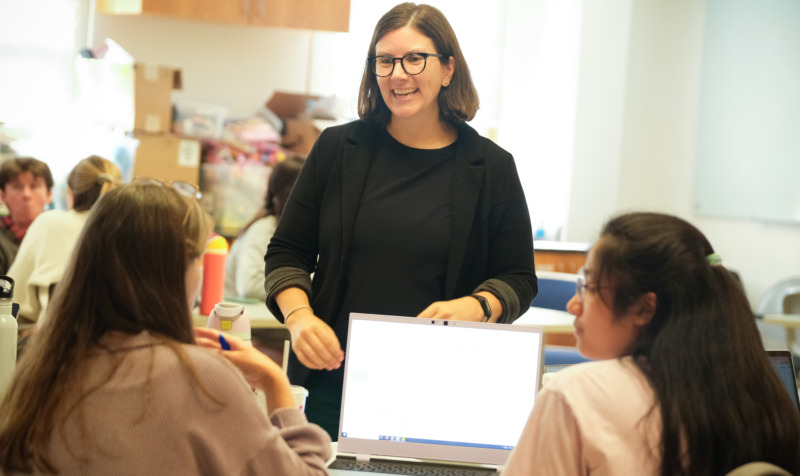
The Knowledge and Literacy Lab, led by Courtney Hattan, Ph.D., explores how children develop as readers and learners and how educators can better support literacy growth. Drawing on research in literacy education and the science of learning, the lab examines how students' prior knowledge shapes comprehension, learning, and academic success. Through studies of instruction, teacher knowledge, curriculum, and educational policy, the lab generates insights that strengthen literacy teaching and promote more meaningful and equitable learning experiences across classrooms, schools, and communities.
Mathematics Potential Lab
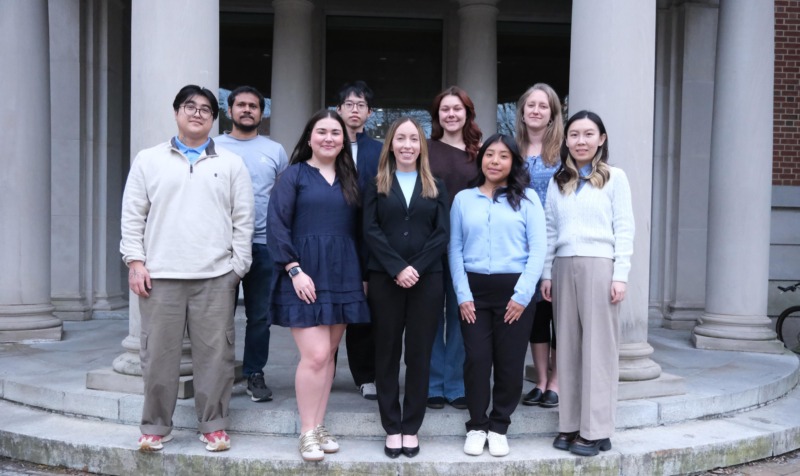
Led by Jessica Rodrigues, Ph.D., the Mathematics Potential Lab (MPL) investigates how to make high-quality evidence-based mathematics practices and interventions accessible to all learners. Grounded in the belief that every child has the potential to develop deep mathematical understanding, the lab conducts research on K-12 mathematics teaching and learning, with a focus on equitable instructional practices for students with or at risk for mathematics difficulties and disabilities.
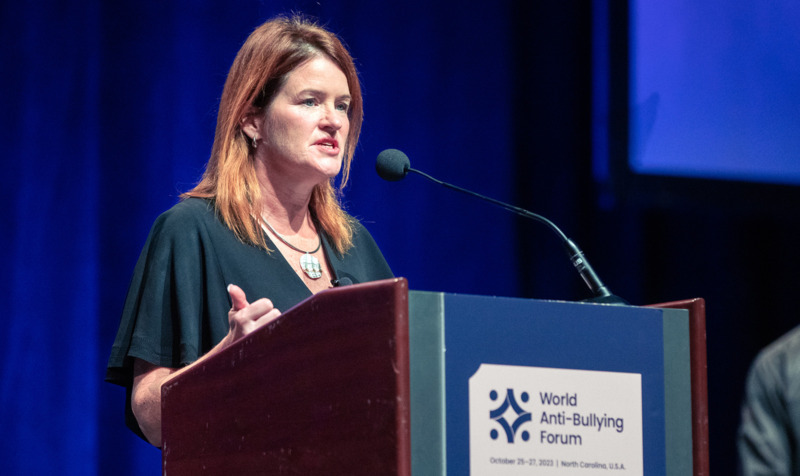
Research Addressing Violence in Education (RAVE) Lab
Led by Dorothy Espelage, Ph.D., the RAVE Lab examines how schools can become safer, more supportive environments where all students can thrive socially, emotionally, and academically. Grounded in prevention science, the lab develops and evaluates evidence-based programs focused on school safety, social-emotional learning, bullying prevention, youth violence prevention, and mental health promotion. Through research, policy engagement, and partnerships with schools and communities, the lab works to advance positive school climates and improve outcomes for young people.
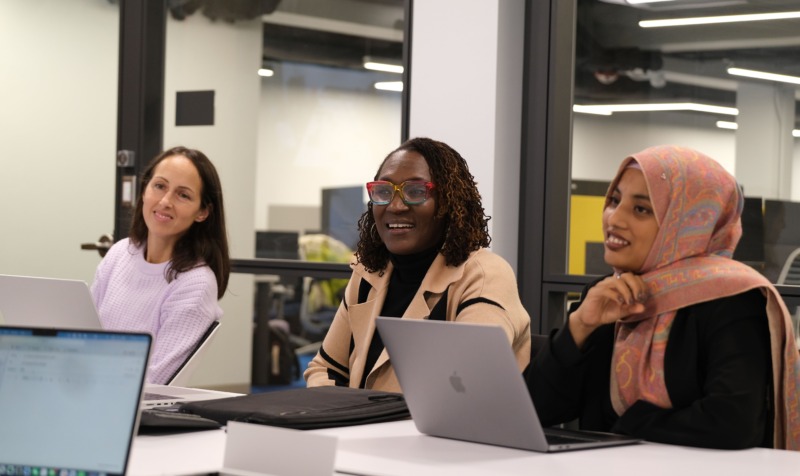
Research on the Emotional, Social, and Psychological Influences on Teachers’ Experiences (RESPITE) Lab
Dionne Cross Francis, Ph.D., and the Research on the Emotional, Social, and Psychological Influences on Teachers’ Experiences (RESPITE) Lab examine the factors that shape educator well-being, professional growth, and instructional practice. The lab investigates how teachers’ emotional and psychological experiences influence decision-making in the classroom and develops personalized, evidence-based interventions to support their success. Grounded in a commitment to thriving schools and communities, RESPITE seeks to strengthen educator well-being while advancing equitable outcomes for students and historically underserved populations.
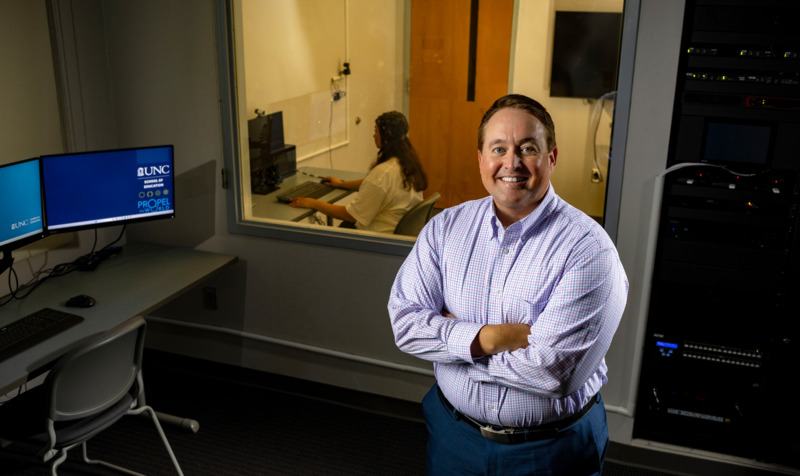
Translational Adolescent Research (TAR) Lab
Led by Casey Calhoun, Ph.D., the Translational Adolescent Research (TAR) Lab investigates how social and digital environments shape adolescent stress, mental health, and well-being. Using innovative research methods and digital tools, the lab examines factors that contribute to both risk and resilience across biological, psychological, and social dimensions of development. Through community partnerships and evidence-based research, TAR works to inform prevention efforts, improve early identification of mental health concerns, and connect young people with the resources and support they need to thrive.
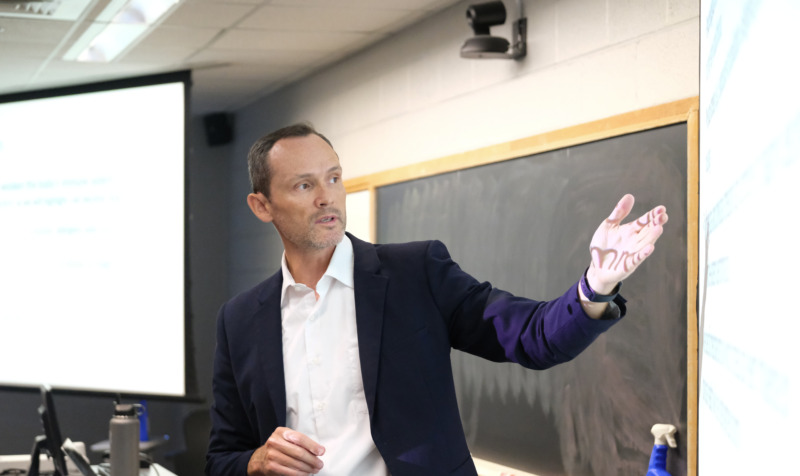
Thriving Through Family Transitions (THRIFT) Research Lab
Todd Jensen, Ph.D., and his Thriving Through Family Transitions (THRIFT) Research Lab study how children, youth, and families navigate changes in family structure and the factors that promote well-being during periods of transition. The lab's research examines experiences such as parental divorce, remarriage, and military deployment, with a focus on identifying the individual, family, and community resources that foster resilience. Committed to both scholarship and public impact, THRIFT works to translate research findings into accessible knowledge and practical supports for families, practitioners, and the systems that serve them.
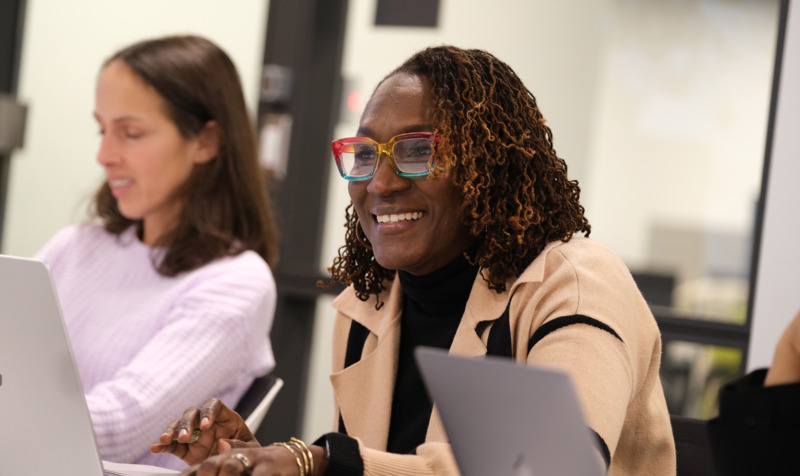
Personalizing professional development is a ‘win-win’ for teachers and students
Dionne Cross Francis — a leading researcher at the intersection of mathematics education, educational psychology, and teacher education — has put forward a new "one-size-fits-one" professional development approach for math teachers.
How can I help my child get ready for kindergarten?
Faculty member Annemarie Hindman breaks down five strategies featured in her Transition to Kindergarten Toolkit, offering insight into how caregivers can build a strong foundation for our youngest learners as they step into their first K-12 classroom.
The stress of social media
Social media, which brings endless opportunities for social feedback and comparison, can make the transition into adolescence difficult, adding stress and an increased risk for mental health disorders. Casey Calhoun says we don’t know enough about the psychological and neurobiological mechanisms underlying that impact. His latest research aims to change that.
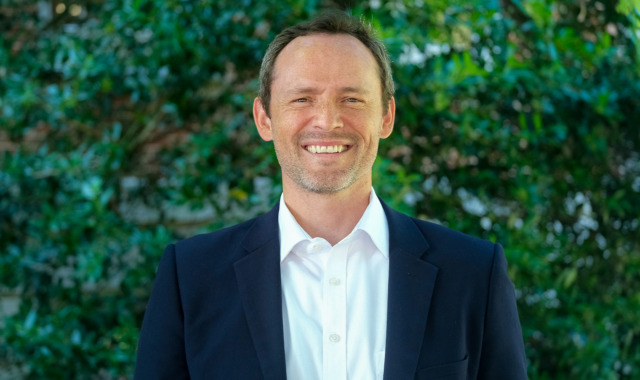
Giving stepfamilies the tools to thrive
Faculty member Todd Jensen centers the experiences of children and adolescents to understand how stepfamilies navigate change — and translates those findings into practical guidance for families, educators, and youth-serving professionals.
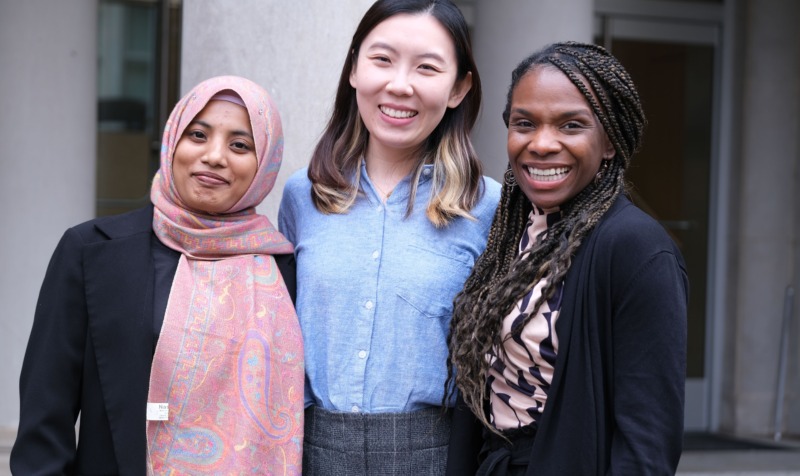
Student Involvement
Faculty research labs provide opportunities for students at every level to engage in meaningful scholarship and contribute to the creation of new knowledge. For many undergraduate students, a lab offers a first introduction to the research process and the opportunity to work alongside faculty experts on projects with real-world impact. Graduate students can deepen their expertise, pursue questions they are passionate about, and learn from mentors who share their interests. For doctoral students, labs serve as training grounds for future scholars, helping them refine research skills, develop independent lines of inquiry, and prepare to lead the next generation of educational research and innovation.